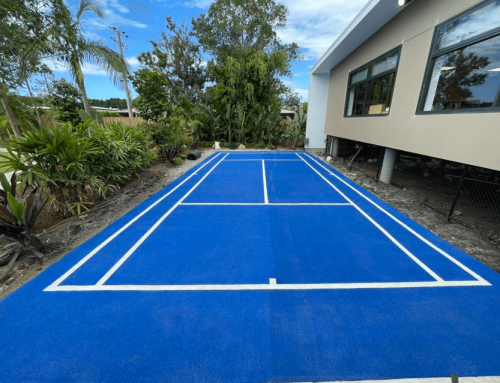


When it comes to landscaping, maintenance and proper care is a must. But constantly looking after your property's green areas can take time and effort for others. This is where artificial Turf installation comes into play.
Artificial turf has become an increasingly popular landscape choice due to its low maintenance requirements and ever-improving aesthetic appeal. Whether you're looking to create a lush green lawn or enhance specific areas of your landscape, artificial turf installation can be a rewarding project.
-

- artificial grass installation Brisbane and Gold Coast


If you want a step-by-step guide on how to install artificial grass, check this out.
Artificial Turf Installation Process
Artificial turf offers a solution for those desiring a perpetually perfect lawn. It delivers a low-maintenance, water-conserving alternative that provides a pristine, inviting outdoor space without compromising visual appeal.
Here is how you can achieve the perfect lawn with synthetic turf.
Planning and Preparation
Before you begin the installation process, proper planning and preparation are essential for a successful outcome.
Measure the area where you intend to install artificial turf accurately. This will help you determine the amount of turf, infill material, and other supplies needed for the project. You should also make sure to collect the necessary materials required for installation.
Remember to clear the area of any debris and ensure that the ground is level and properly compacted to provide a stable base for artificial grass.
Installation
The artificial turf installation begins once you've completed the planning and preparation phase. Unroll and secure weed barrier fabric over the prepared surface using landscape staples. Install edging material along the area's perimeter to hold the artificial turf in place and create a clean, finished look. Secure the edging with stakes as needed.
Roll out the synthetic turf over the prepared area, allowing it to acclimate to the environment for at least a few hours. Carefully cut the turf to fit the shape of the area using a utility knife, making sure to leave a small overlap along the edges.
Secure the artificial turf by nailing or stapling it along the edges and seams. Be careful not to damage the turf fibers during this process. Spread the infill material evenly over the surface of the artificial turf using a drop spreader or by hand.
Finishing Touches
There are a few final steps to complete the project and ensure long-term satisfaction with your new landscape feature.
After the installation, you must trim any excess turf along the edges and around obstacles. Inspect the drainage capabilities of your artificial turf installation to ensure that water flows away from the area properly.
While artificial turf requires less maintenance than natural grass, it still benefits from occasional upkeep. Regularly remove debris such as leaves and twigs, brush the turf fibers to keep them upright, and periodically replenish the infill material to maintain optimal performance.
Frequently Asked Questions
- What do you put under artificial turf? The requirements for the layers underneath an artificial turf may vary depending on different factors. Some of the common things being put under an artificial turf are: Sub-base material, drainage system, shock pad, weed barrier, and a base compaction. Always remember that it's very important to follow manufacturer guidelines and consult with professionals for the best practices in artificial turf installation.
- How do you prepare ground for artificial turf? Preparing the ground for artificial turf involves clearing the area of vegetation and debris, excavating to the required depth, grading the surface for proper drainage, and compacting the soil.
- Can I install artificial turf myself? Yes, it is possible to install artificial turf by yourself, but it would require good planning, preparation, and attention to detail. However, for larger projects, we highly recommend hiring a professional turf installer to ensure optimal results.
- Can you lay artificial turf over soil? It is technically possible to lay artificial turf over soil, but it is not recommended because the soil can lead potential damage to the turf.
Quality Turf Solutions
To ensure your artificial turf installation goes smoothly, you can ask a professional team for help. And when it comes to landscaping solutions, the one to trust is Surface Pro Group.